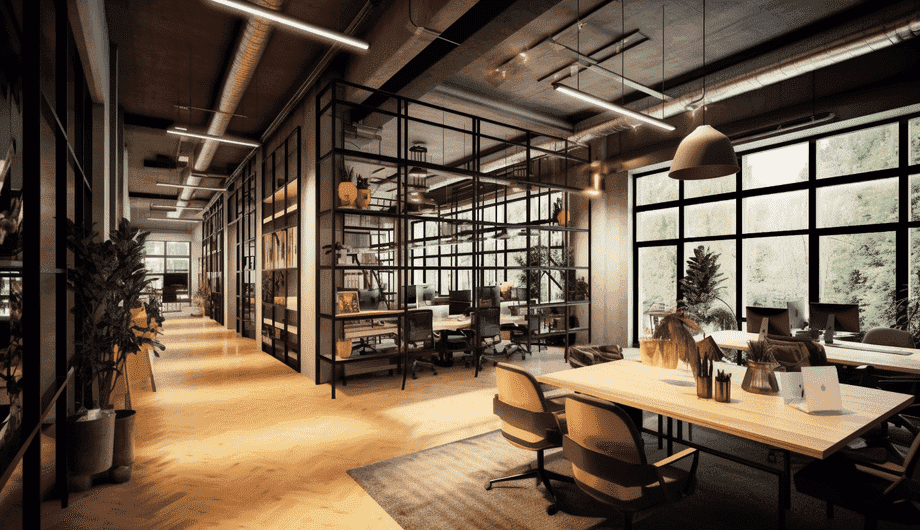
The Role of Co-Working Spaces in Berlin's Rental Market
Co-working spaces have dramatically altered the landscape of the office rental market worldwide, and Berlin is no exception. Known for its vibrant start-up scene and creative pulse, the city has embraced this flexible working model, making it an integral part of its rental market. This article will explore the role of co-working spaces in Berlin's rental market.
A Flexible Alternative
Co-working spaces offer businesses, especially start-ups and freelancers, an alternative to traditional office rentals. With flexible contracts, a range of options to suit different needs, and amenities included in the price, co-working spaces provide an attractive and cost-effective solution. This flexibility allows businesses to adapt to changing circumstances, making it a viable choice in a city as dynamic as Berlin.
Fostering Innovation and Collaboration
Beyond mere workspaces, co-working spaces in Berlin often serve as incubators for innovation and collaboration. They bring together professionals from diverse backgrounds and industries, fostering a vibrant community where ideas are exchanged, and collaborations are born. This atmosphere aligns well with Berlin's ethos as a city of creativity and entrepreneurship.
Impact on the Rental Market
The rise of co-working spaces has a significant impact on Berlin's rental market. It has introduced a new competitive factor, forcing traditional office spaces to innovate and adapt. Additionally, it has contributed to the demand for commercial properties in strategic locations, often in vibrant neighborhoods that attract start-ups and creative professionals.
A Response to the Changing Work Culture
The demand for co-working spaces in Berlin reflects a shift in work culture towards flexibility and work-life balance. The co-working model aligns well with the increasing trend of remote work and flexible hours. As such, it is not only a trend but also a response to changing work norms.
A Resilient Model
Despite the challenges brought about by the global pandemic, the co-working model has proven resilient. While there was an initial drop in demand due to health and safety concerns, co-working spaces have adapted quickly, implementing safety measures and adapting their services to cater to changing needs. They offer a solution for businesses that need flexible, short-term office arrangements, making them an important player in post-pandemic recovery.
The Future of Co-working in Berlin
Given its alignment with Berlin's innovative spirit and evolving work trends, the co-working model is likely to continue playing a crucial role in the city's rental market. As the demand for flexible workspaces grows, so will the presence of co-working spaces in Berlin.
In conclusion, co-working spaces play a significant role in Berlin's rental market, driving innovation, influencing market dynamics, and responding to changing work cultures. As this flexible working model continues to evolve and adapt, its influence on the Berlin rental market is likely to grow even further.